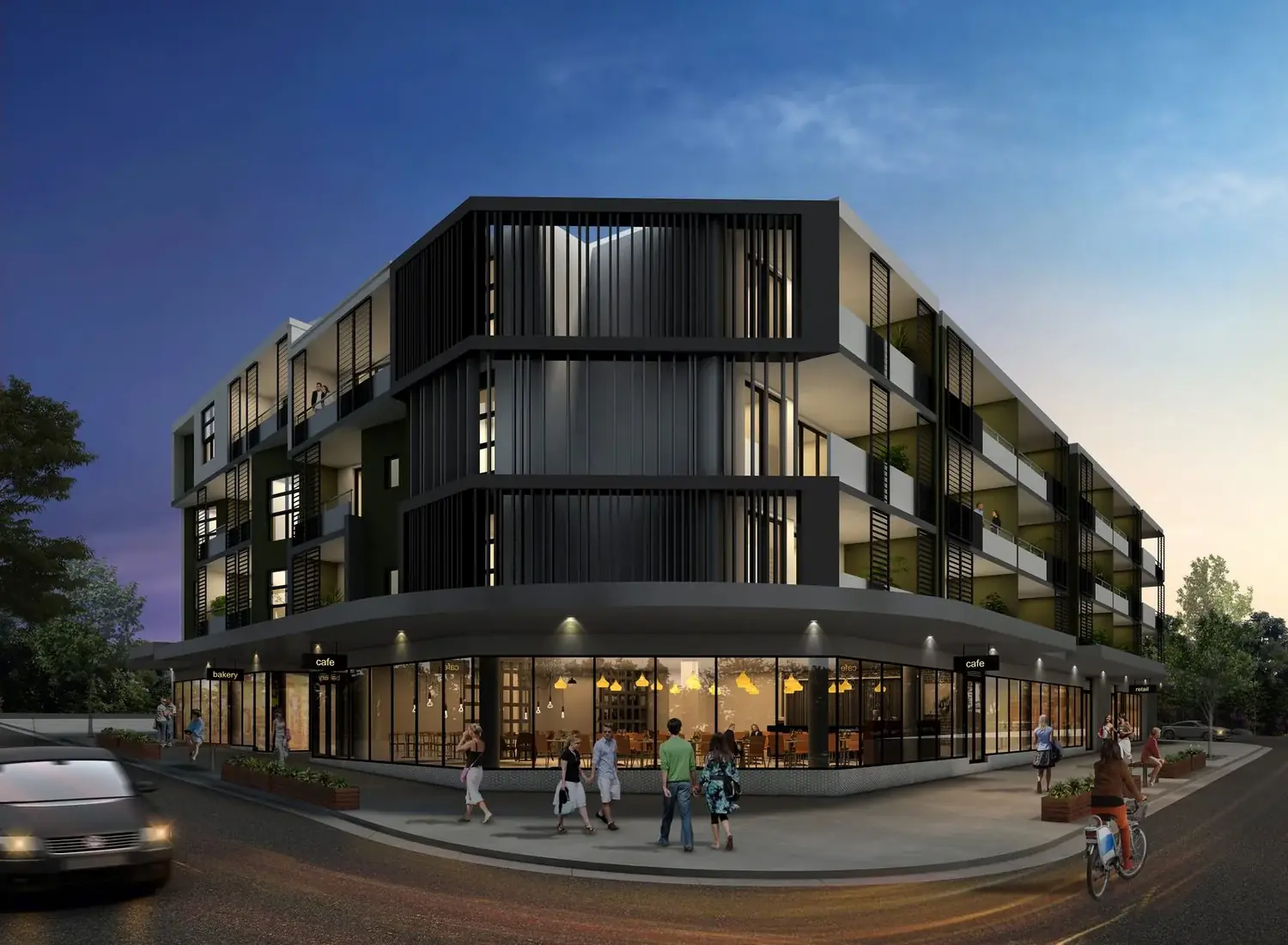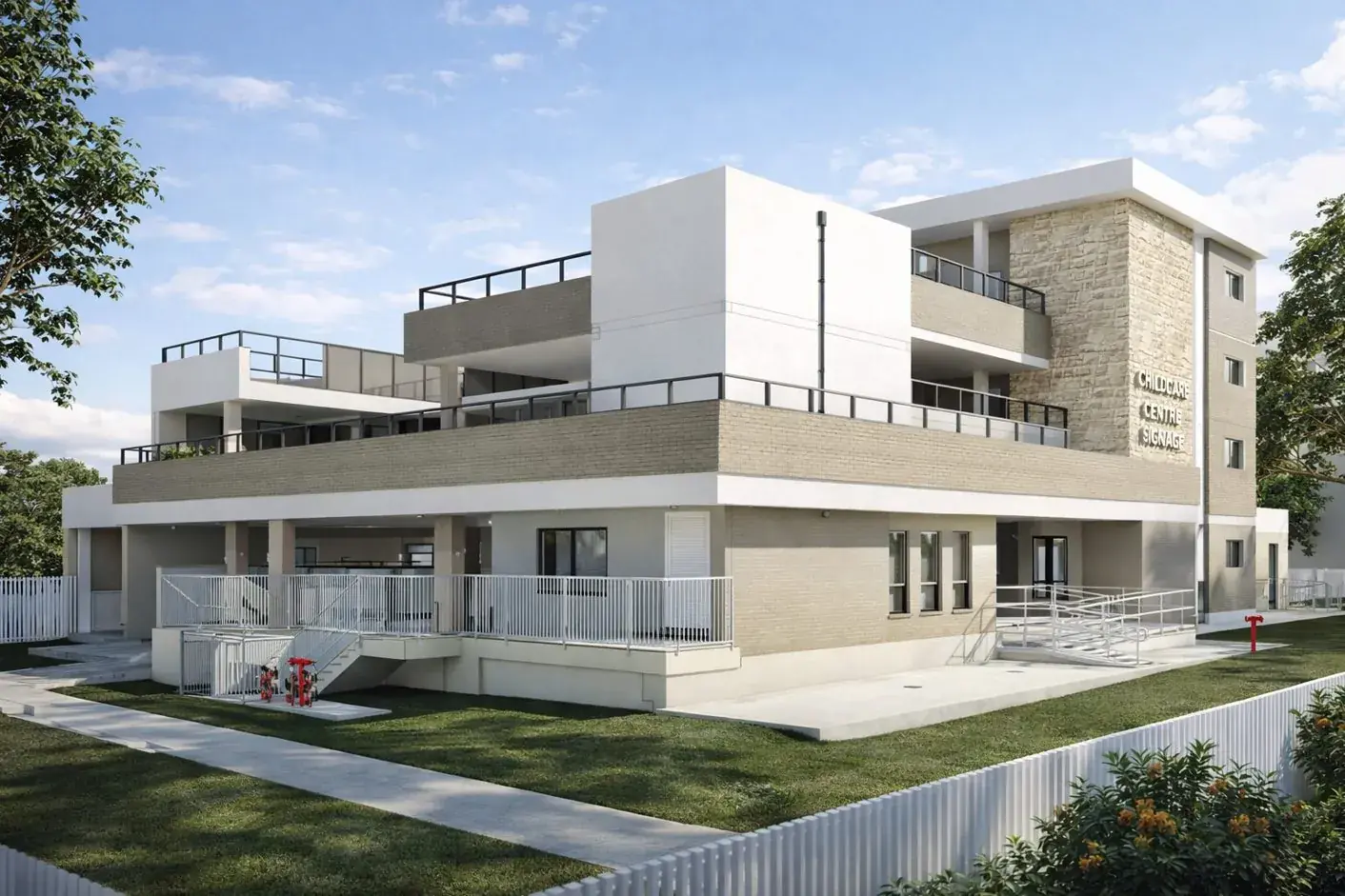
With margins under pressure from material costs and labour availability, controlling delivery end-to-end is becoming a structural advantage rather than a nicety.
Construction cost volatility and labour availability have squeezed margins across the sector. In that environment, the traditional separation between developer and builder can introduce friction exactly where projects can least afford it.
The conventional model — a developer engaging a separate head contractor under a fixed-price contract — works well in stable conditions. But when costs move quickly and trades are stretched, the gaps between design intent, priced scope, and what actually gets built become expensive. Variations, delays and disputes tend to cluster at those handover points.
An integrated developer-builder model closes those gaps. Decisions about buildability happen during design, not after tender. Procurement is coordinated against a single program. And the feedback loop between what happens on site and the assumptions behind the next acquisition is far shorter, so lessons compound rather than repeat.
It is not the right model for every project, and it demands real construction capability in-house rather than the appearance of it. But in a tight market, that control converts coordination cost into a genuine competitive edge — and gives investors and purchasers more certainty on both price and program.
The firms that weather difficult conditions best are usually the ones that own more of the delivery chain, because they can see and manage risk end to end instead of passing it across a contract boundary and hoping.
← Back to all news