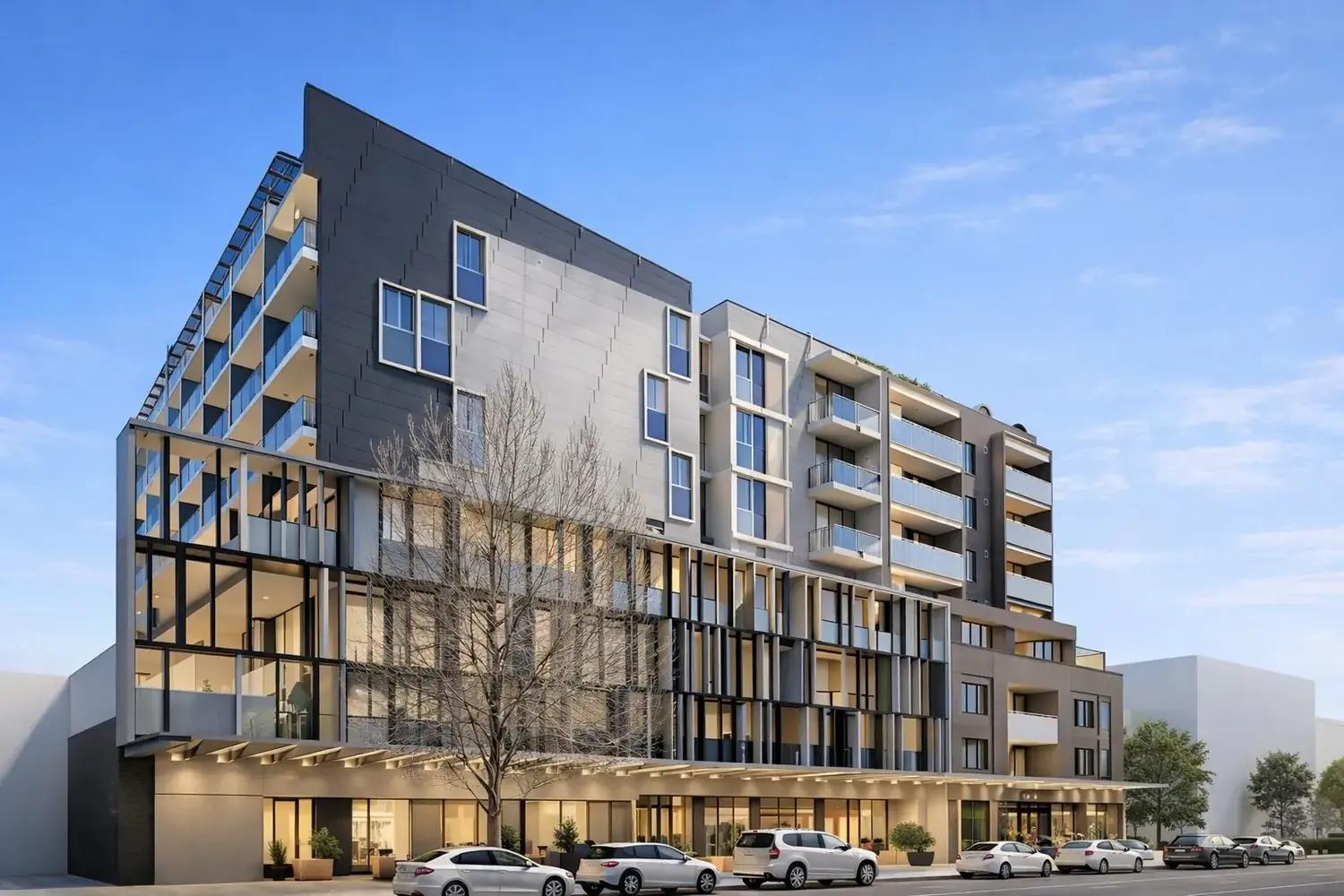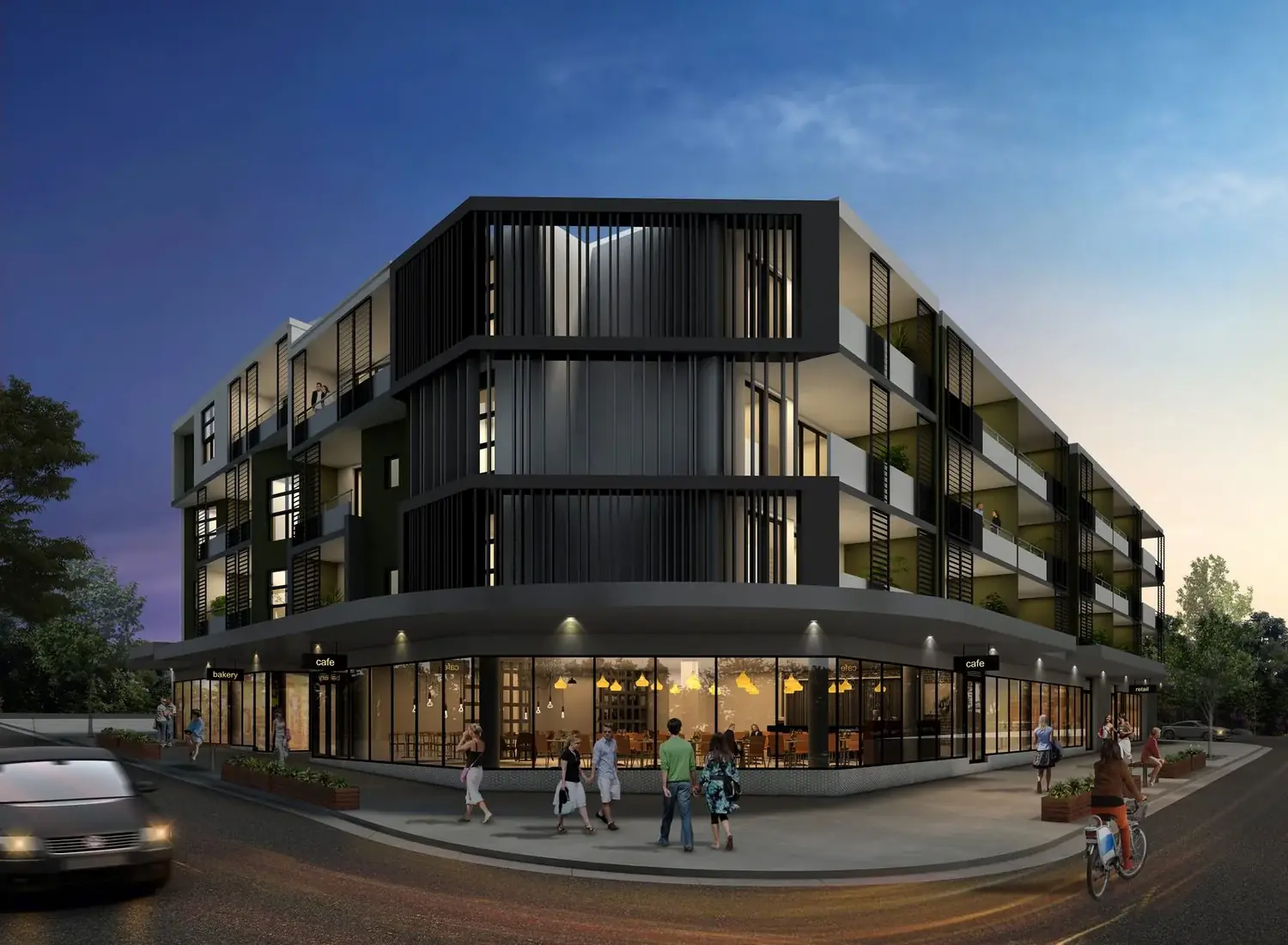
A wave of planning policy updates is changing the calculus for low- and mid-rise residential projects. Here's a practical read on what's shifting and how to position your pipeline.
The NSW planning system continues to evolve in response to the state's housing supply targets, and the direction of travel is clear: more density around transport and established centres, and faster pathways for well-located housing.
Recent and proposed changes to low- and mid-rise housing policy are intended to lift yield on sites that previously could not support it. For mid-sized developers, that reshapes which sites pencil out — parcels near stations and town centres that were marginal under older controls may now carry meaningfully more dwellings.
The practical implications are about timing and feasibility. Understanding which controls apply to a given site, how dwelling yield is affected, and where the assessment pathway speeds up or slows down has become a core part of acquisition due diligence rather than an afterthought.
Projects that align early with the direction of policy tend to move through assessment faster than those retrofitted to it. The developers who benefit most are the ones reading the reforms as they emerge and positioning their pipeline accordingly, rather than reacting once changes are already in force.
None of this removes the need for good design and genuine amenity — if anything, as density rises, the quality of the outcome matters more, not less. But for those paying attention, the current environment rewards being early and being informed.
← Back to all news