Demand for quality early-education places continues to outstrip supply across Greater Sydney. We look at what makes a childcare development viable — and why design-led, compliance-first delivery matters more than ever.
Across Greater Sydney, the gap between demand for quality early-education places and the supply of purpose-built centres remains wide. For developers and operators, that gap represents genuine opportunity — but only for projects that get the fundamentals right from the very beginning.
A viable childcare development starts long before construction. Site selection has to weigh catchment demographics, the location of competing centres, traffic and parking, and the specific planning pathway available under the relevant local environmental plan and the Child Care Planning Guideline. Getting the place-count right for the site area, outdoor space and staffing model is what separates a smooth approval from a costly redesign.
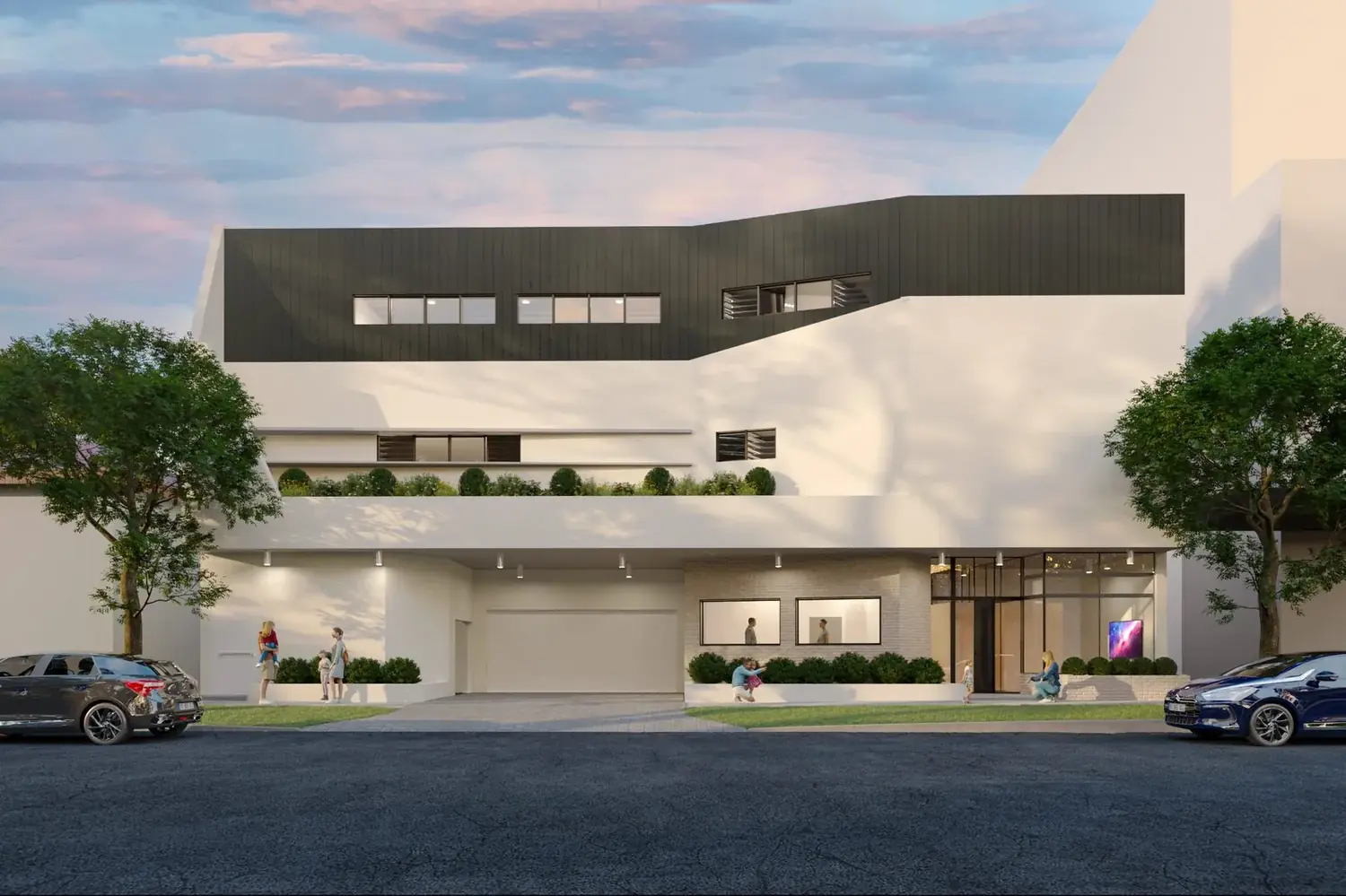
Design is where a centre either works or doesn't. Indoor-to-outdoor flow, natural light, acoustic separation from neighbours, and safe, legible movement for parents at drop-off all shape both the regulator's view and the operator's day-to-day experience. These are not finishing touches — they are decisions that have to be made at concept stage, because they drive the building's footprint and cost.
This is where an integrated developer-builder approach pays off. When construction realities inform the design from the outset, rather than surfacing as variations later, the result is a centre that is buildable, compliant, and genuinely fit for the children and educators who will use it. That discipline is what turns a difficult asset class into a repeatable one.
For landowners and investors weighing a childcare use, the message is simple: the difference between a strong centre and a marginal one is made in the first few decisions, not the last. Engaging delivery expertise early is the single most reliable way to protect both the approval and the return.
← Back to all news